Food Manufacturing
Reliable shutoff for hygienic transfer and utility service points.
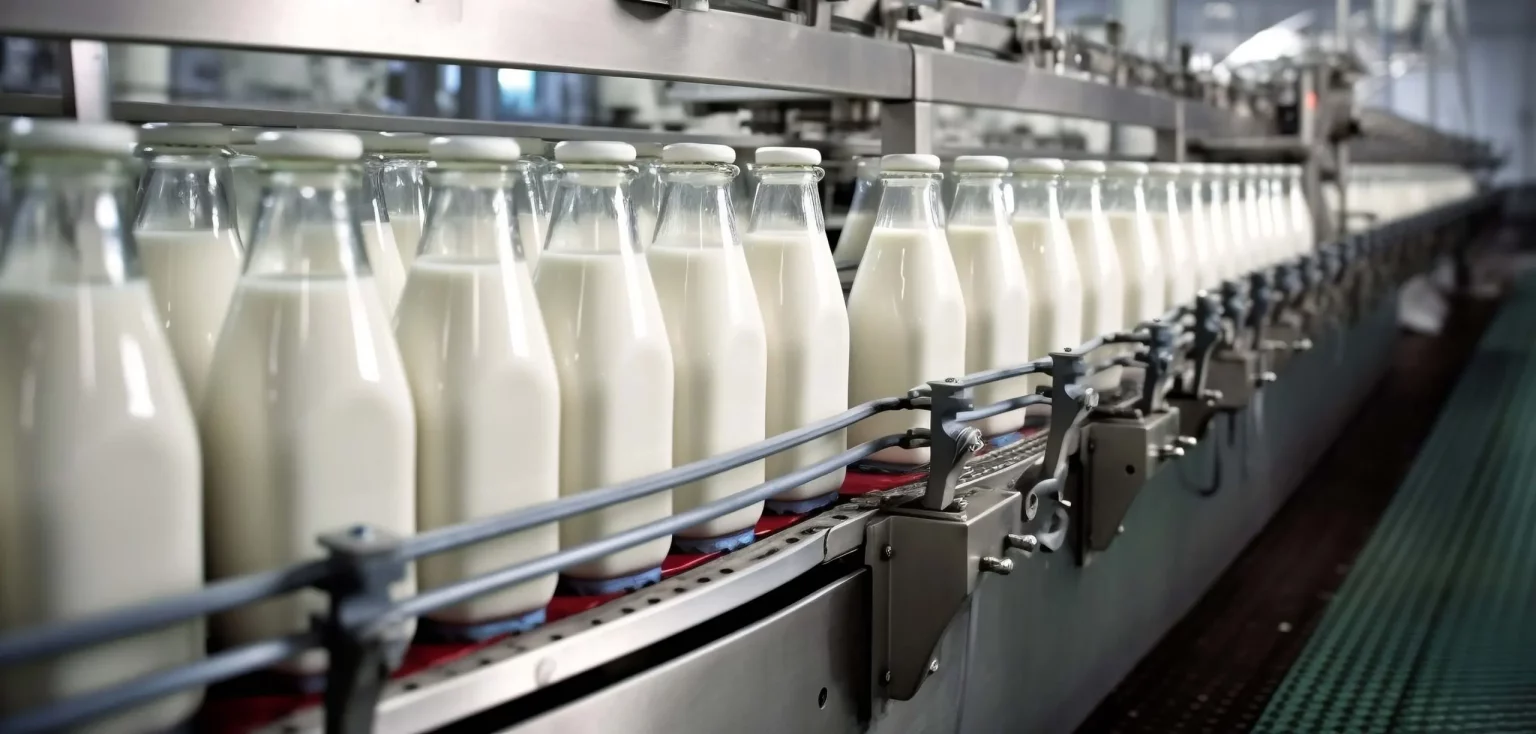 Dairy ProcessingPasteurizers, CIP systems, transfer lines
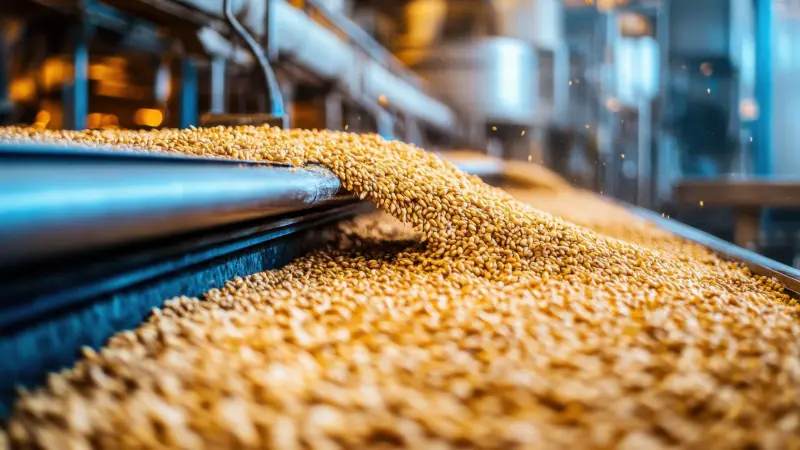 Food ProcessingSanitary fittings, valves and tubing
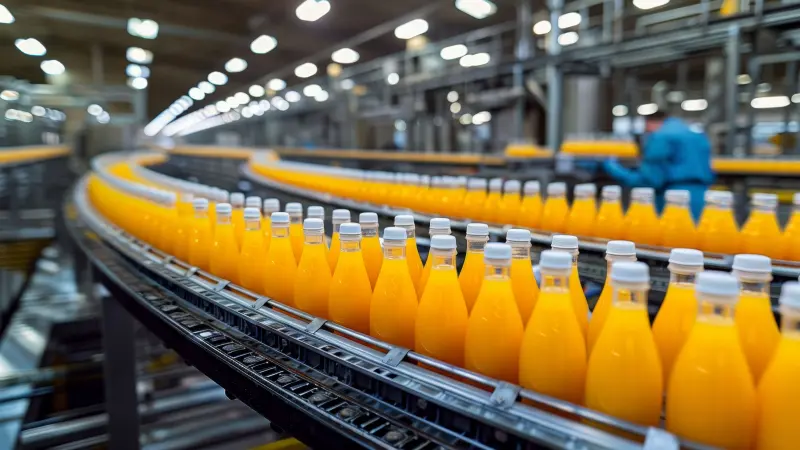 Beverage LinesBottling, mixing and hygienic transfer
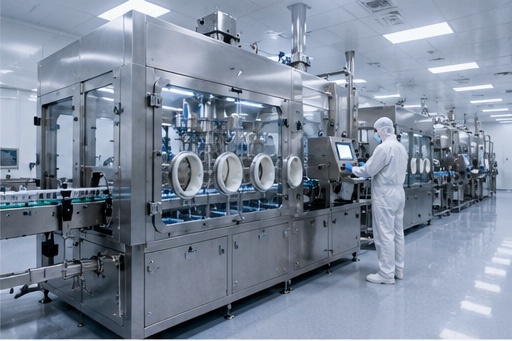 PharmaceuticalHigh-purity 316L and documentation
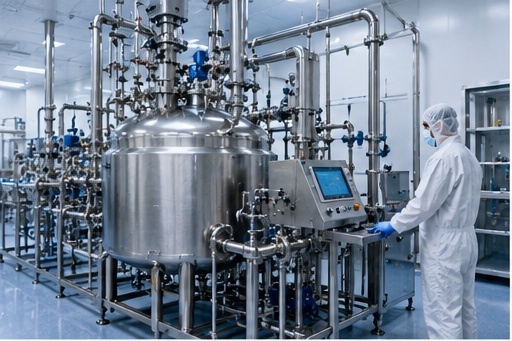 BiotechnologyBioreactors, skids and cell culture support
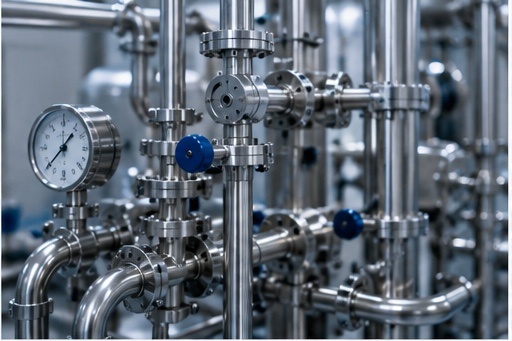 OEM / ContractorsProject RFQ support and secondary supply
Sanitary Valve System
Stainless steel sanitary ball valves specified for reliable shutoff, clean utility connections and project-based sourcing in hygienic process environments.
Applications
Ball valves are commonly requested for hygienic service points, utility lines, transfer lines and plant maintenance replacement needs.
Reliable shutoff for hygienic transfer and utility service points.
Tri-clamp sanitary systems for dairy, beverage and CIP-adjacent applications.
316L options, documentation and high-purity language by RFQ.
Sizes & Dimensions
Available in DN15 through DN100 with tri-clamp, weld, threaded or flanged ends. Custom sizes and connection types available by RFQ.
| Nominal Size | DN | OD (mm) | Tri-Clamp (mm) | Body Length (mm) | Cv (Full Bore) | Weight (kg) |
|---|---|---|---|---|---|---|
| ½" | DN15 | 12.7 | 50.5 | 76 | 14 | 0.5 |
| ¾" | DN20 | 19.05 | 50.5 | 89 | 28 | 0.7 |
| 1" | DN25 | 25.4 | 50.5 | 102 | 50 | 1.0 |
| 1½" | DN40 | 38.1 | 64.0 | 127 | 110 | 1.7 |
| 2" | DN50 | 50.8 | 77.5 | 152 | 200 | 2.5 |
| 2½" | DN65 | 63.5 | 91.0 | 178 | 320 | 3.8 |
| 3" | DN80 | 76.2 | 91.0 | 203 | 450 | 5.2 |
| 4" | DN100 | 101.6 | 119.0 | 254 | 820 | 8.5 |
Operating Conditions
Performance varies by seat material. PTFE is standard, with reinforced PTFE, TFM and PEEK available for higher temperature service.
Actual ratings depend on size, seat material and operating conditions. Confirm via RFQ for project-specific requirements.
Standards & Compliance
Full documentation packages available including MTR, 3.1 certificates, surface roughness reports and pressure test records.
Sanitary valves for milk and milk products processing.
Surface finish, materials and design for pharma/biotech.
European hygienic engineering and design certification.
Food contact materials compliance for seats and seals.
Material specification for 304/316L valve bodies.
Dimensional standard for tri-clamp fittings interface.
Standardized actuator mounting interface for automation.
European Pressure Equipment Directive compliance.
Product Variants
Manual, pneumatic, multi-way and industrial variants available. Each configuration suited to specific process control and installation requirements.
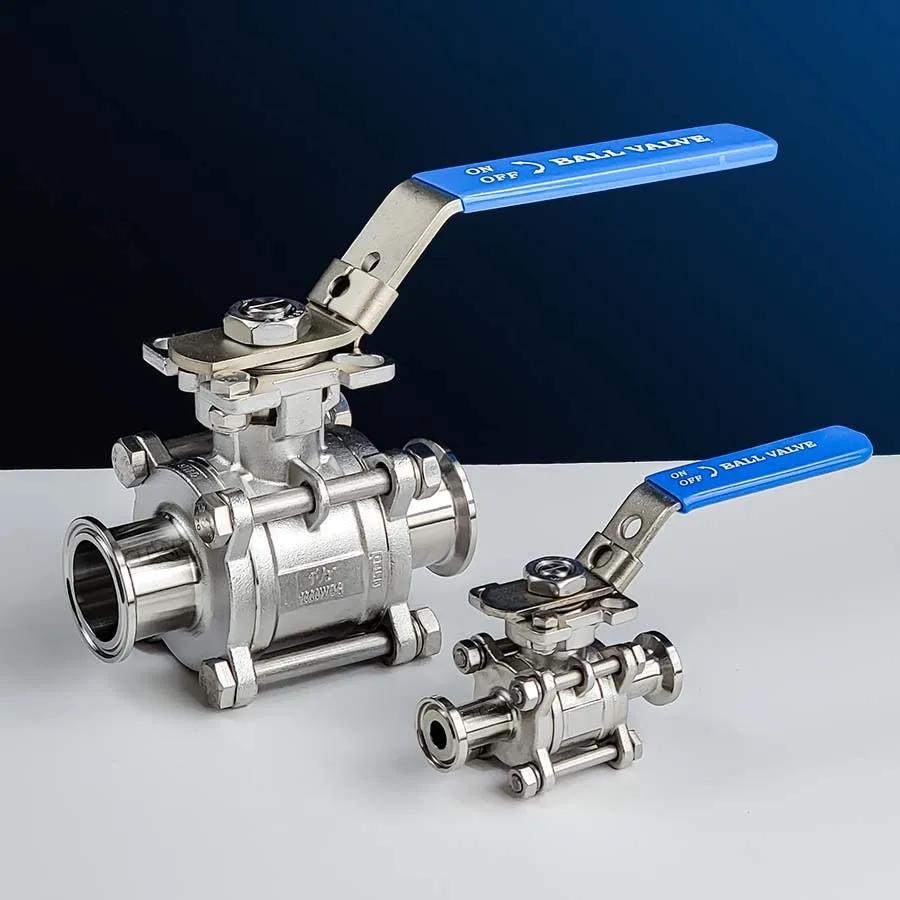
Lever-operated sanitary ball valves for manual shutoff. Full-bore, quarter-turn operation with PTFE or TFM seats in 316L body.
Request quote →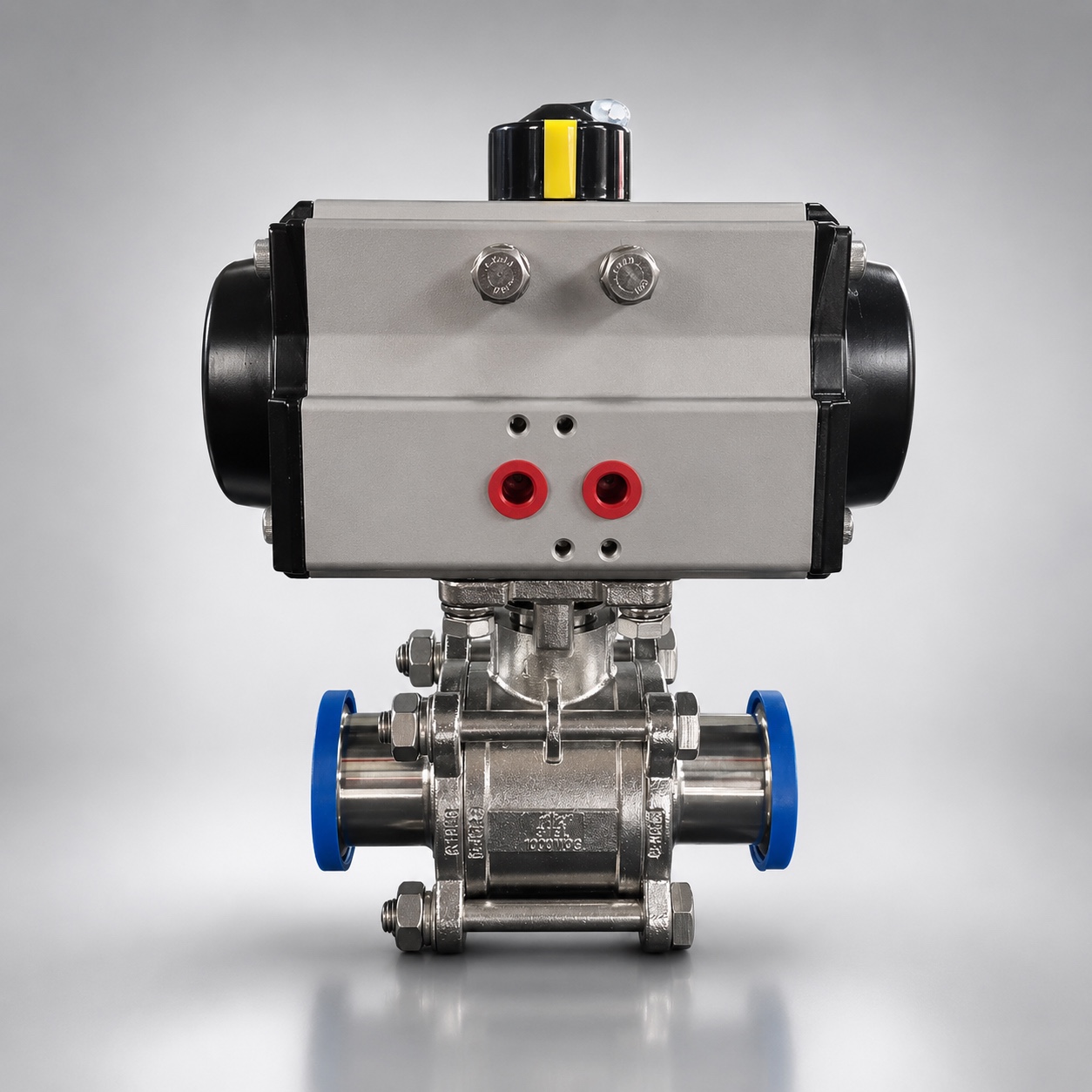
Air-actuated ball valves for automated process control. Double-acting or spring-return with ISO 5211 mounting and solenoid options.
Request quote →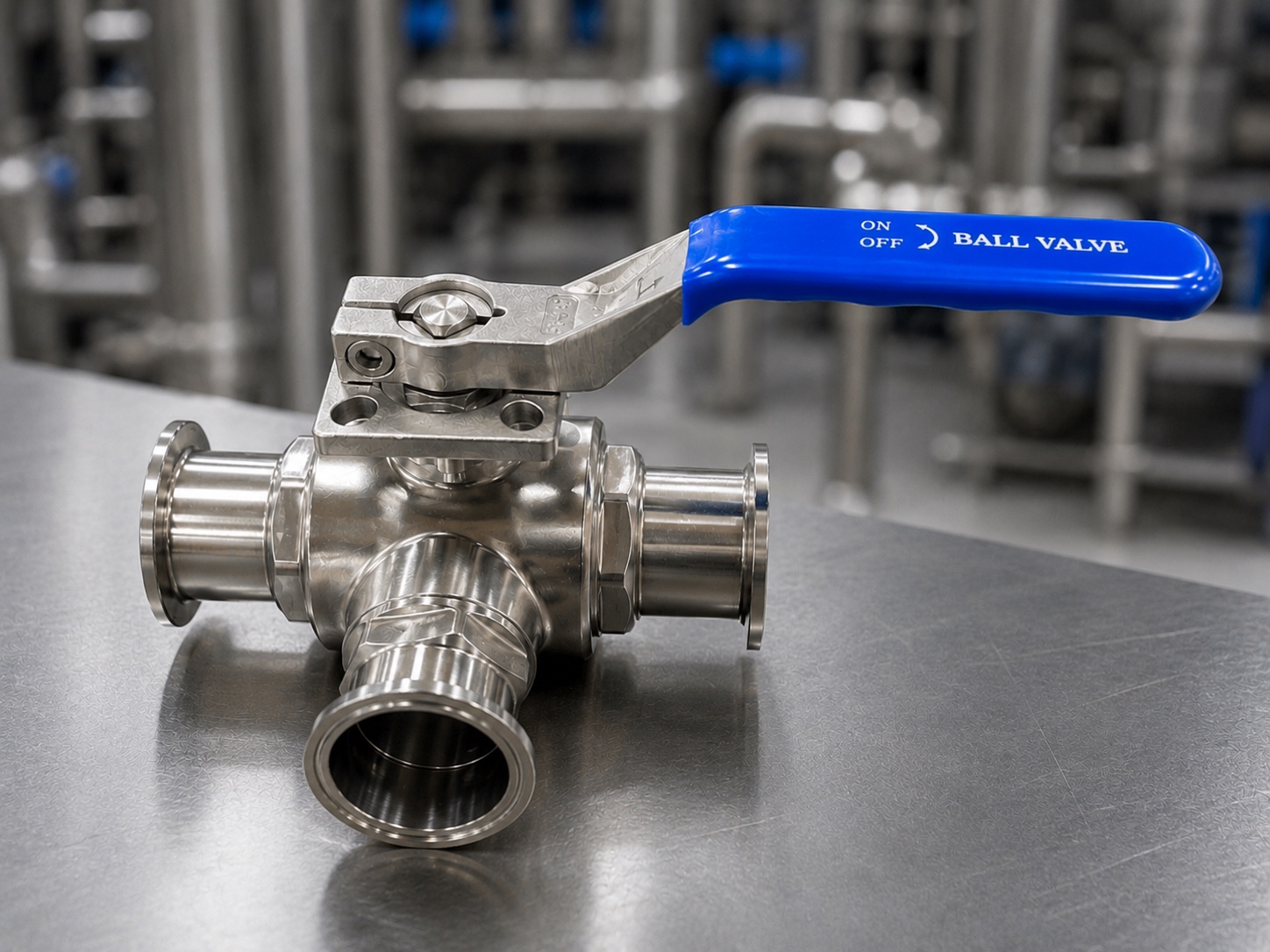
L-port and T-port configurations for flow diversion and mixing. Sanitary 316L with tri-clamp or weld connections.
Request quote →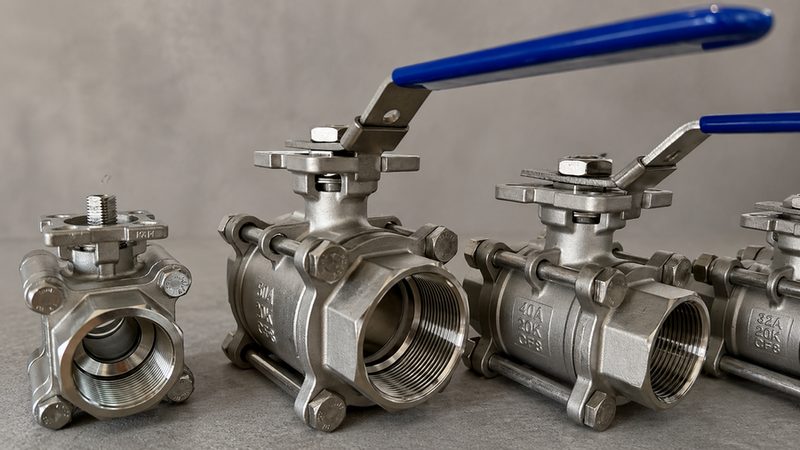
Full-bore industrial ball valves in 304/316L for chemical, utility and general process service. NPT, flanged or socket-weld ends.
Request quote →Materials & Standards
Use standards and documentation requirements to make quotation requests clearer before supplier review.
Common stainless grades requested for sanitary valve sourcing.
Connection style should be specified in the RFQ package.
Material traceability, inspection and finish notes can be requested.
Technical Overview
Exact pressure, temperature and compatibility should be confirmed by supplier and application review.
| Requirement | Typical Information Needed |
|---|---|
| Valve Type | 2-way sanitary stainless steel ball valve |
| Material Grade | 304 / 316L stainless steel |
| Connection Type | Tri-clamp, weld end, threaded or flanged by RFQ |
| Seat / Seal | PTFE or reinforced PTFE; other materials by requirement |
| Operation | Manual handle, pneumatic actuator or electric actuator |
| Documentation | MTR/MTC, heat traceability, inspection or finish requirements |
For faster quotation, include valve size, connection type, material grade, seat material, actuation style, media and documentation expectations.
Use this page to prepare a clear sourcing request for repeat components, project packages, secondary supplier comparisons or plant maintenance requirements.
Common Questions
Engineering and procurement questions we hear most often. For project-specific guidance, send your application details via RFQ.
316L offers better corrosion resistance than 304, particularly against chlorides and acidic media. 316L contains 2–3% molybdenum which significantly improves pitting resistance.
For dairy, pharmaceutical, biotech and chloride-containing process media, 316L is the standard choice. 304 may be acceptable for utility water, air and non-aggressive food applications. We recommend 316L for all product-contact surfaces in sanitary systems.
Standard PTFE seats are suitable for continuous service up to 200°C but can experience cold flow under prolonged steam exposure. For SIP cycles at 121–135°C, we recommend reinforced PTFE (TFM 1600 or similar) or PEEK seats.
For frequent steam sterilization (more than daily cycles), PEEK seats offer the best longevity. Confirm cycle temperature, frequency and pressure when requesting quotation.
For general pharmaceutical service, Ra ≤ 0.8 μm (32 μin) mill-polished interior is the standard sanitary finish. For aseptic, WFI and biotech applications, specify electropolished (EP) interior with Ra ≤ 0.5 μm (20 μin) or finer.
ASME BPE designations: SF4 (Ra ≤ 0.38 μm) is typical for high-purity service, SF5 (Ra ≤ 0.25 μm) for ultra-high-purity. Surface finish reports with profilometer measurements can be included in the documentation package.
Yes. Standard documentation includes EN 10204 3.1 Material Test Reports (MTR/MTC) with heat number traceability for all wetted parts. Additional documentation available on request:
Surface roughness reports (Ra measurements), passivation certificates per ASTM A967, ferrite content reports, pressure test certificates, dimensional inspection reports and FDA compliance statements for seats and seals.
Standard configurations (½" to 4", tri-clamp, 316L, PTFE seat, manual handle) typically ship in 1–2 weeks from stock. Custom configurations including pneumatic actuators, special seats, electropolished finish, or specific documentation requirements typically run 3–6 weeks.
For project quantities or repeat-order programs, we can hold stock or negotiate scheduled deliveries. Provide target quantity and delivery dates with your RFQ for accurate lead time confirmation.
Full-bore ball valves handle viscous fluids well due to unrestricted flow paths. For particulate-heavy media (e.g. fruit pulp, slurry), the ball cavity may trap solids — consider full-port valves with cavity-filled seats or alternative valve types like butterfly or knife-gate.
For media containing abrasive particles, harder seat materials (PEEK or ceramic-loaded PTFE) extend service life. Send media specifications including particle size, viscosity and abrasiveness for proper valve selection.
Standard options include double-acting (DA) and spring-return (SR) actuators in carbon steel or stainless steel housings. Accessories include solenoid valves (24V DC / 110V AC / 220V AC), limit switches, positioners (4–20 mA) and ATEX/IECEx options for hazardous areas.
Provide air supply pressure (typical 5–7 bar), fail-safe position (open or closed), required control signal and electrical certification needs. Mounting per ISO 5211 standard ensures field-replaceable compatibility.
Use structured technical information to prepare clearer RFQs, reduce revision cycles and align sourcing requirements before quotation.
Send size, connection, material, seat, quantity, drawings or existing part references. We will help structure a clear RFQ package.
Download the product datasheet for technical specifications, dimensional references, material data, applicable standards and RFQ guidance. Suitable for procurement, engineering review and project documentation.