Process Sampling
Sampling points for production and QC workflows.
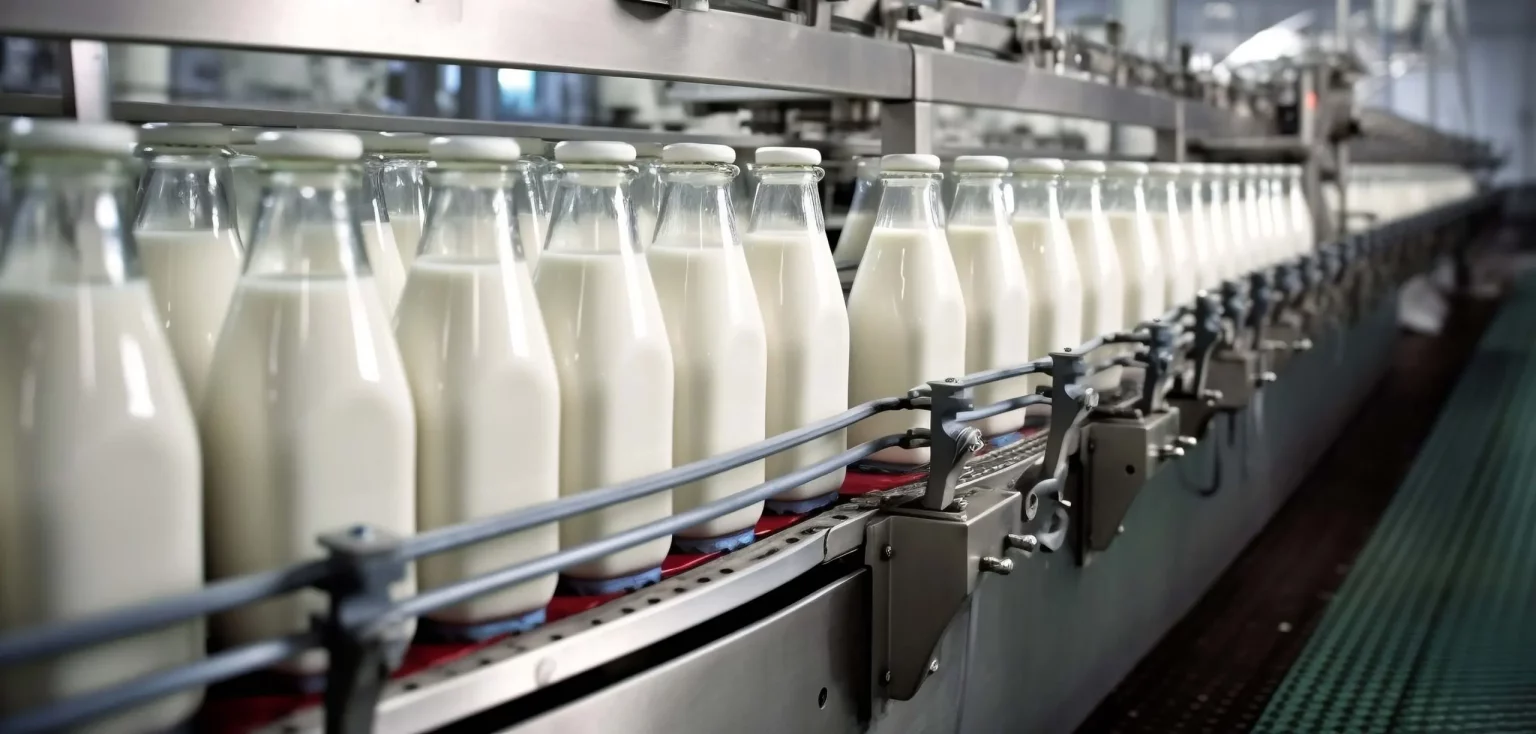 Dairy ProcessingPasteurizers, CIP systems, transfer lines
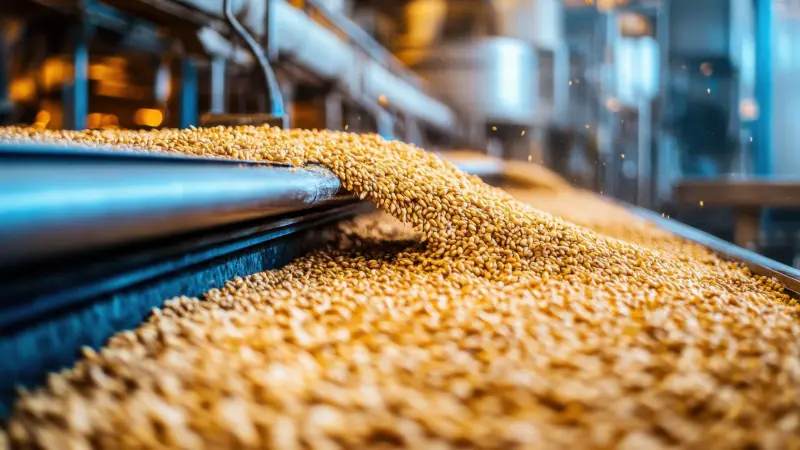 Food ProcessingSanitary fittings, valves and tubing
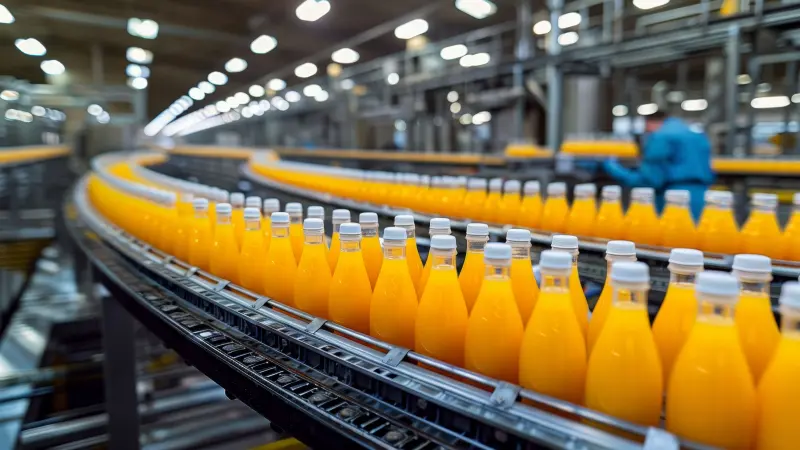 Beverage LinesBottling, mixing and hygienic transfer
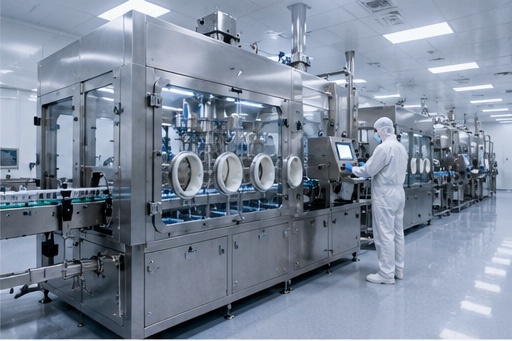 PharmaceuticalHigh-purity 316L and documentation
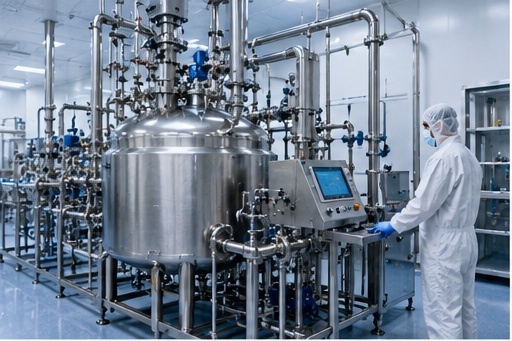 BiotechnologyBioreactors, skids and cell culture support
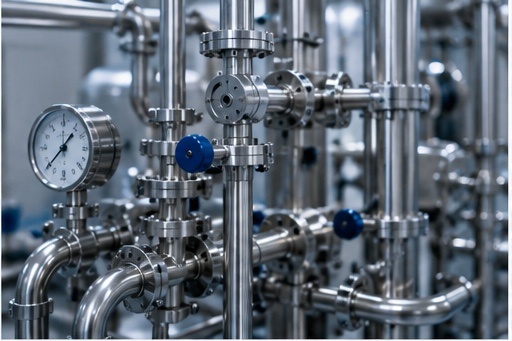 OEM / ContractorsProject RFQ support and secondary supply
Hygienic Components
Sample valves support controlled sampling points for hygienic process lines, tanks and equipment packages.
Applications
Sample valves are commonly used for product checks, quality control and validation workflows.
Sampling points for production and QC workflows.
Sampling language for high-purity and controlled environments.
Sample points integrated into process equipment packages.
Sizes & Dimensions
Manual lever and pneumatic versions for vessel sampling, line sampling and aseptic collection. Built for steam-in-place sterilization.
| Type | Connection | Sample Vol | Operation | SIP | Material | Application |
|---|---|---|---|---|---|---|
| Aseptic Lever | ½" Tri-Clamp | 5 – 50 mL | Manual | Yes | 316L EP | Pharma sampling |
| Aseptic Pneumatic | ½" Tri-Clamp | 5 – 100 mL | Pneumatic | Yes | 316L EP | Bioreactor |
| Vessel Sample | ¾" Tri-Clamp | 10 – 250 mL | Manual | Yes | 316L | Tank sampling |
| Line Sample | 1" Tri-Clamp | 50 – 500 mL | Manual | Yes | 316L | Line sampling |
| Septum Sample | ½" Tri-Clamp | 1 – 10 mL | Needle | Yes | 316L EP | Sterile sampling |
| Continuous Sample | ½" Tri-Clamp | Variable | Pneumatic | Yes | 316L EP | Inline analysis |
Operating Conditions
Sample valves are designed for repeated SIP cycles. Materials selected for sterility and durability.
Actual ratings depend on size, material and operating conditions. Confirm via RFQ for project-specific requirements.
Standards & Compliance
Full documentation packages available including MTR, 3.1 certificates, surface roughness reports and pressure test records.
Sanitary equipment for milk and milk products processing.
Surface finish, materials and design for pharma/biotech.
European hygienic engineering and design certification.
Food contact materials compliance for seats and seals.
USP biological reactivity testing for plastics.
Material specification for 304/316L bodies.
Dimensional standard for tri-clamp fittings.
EU regulation on food-contact materials.
Product Variants
Multiple variants available to match your application requirements. Browse related products for complete process line coverage.
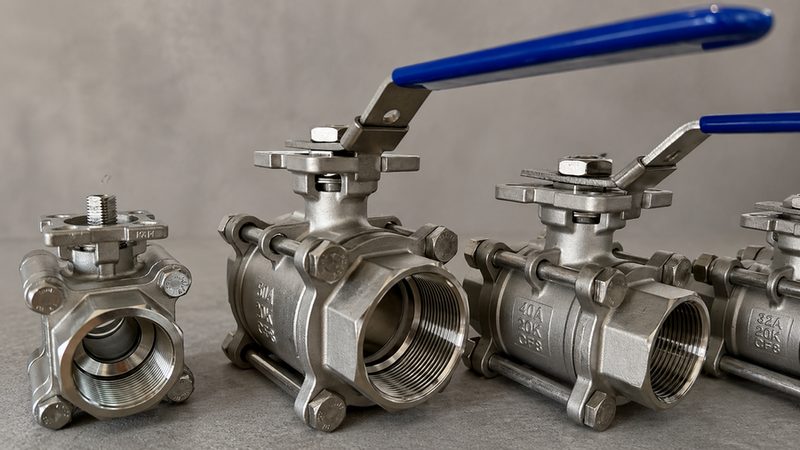
For sterile sampling from bioreactors and pharma vessels. Steam-sterilizable.
Request quote →Special design for fermenter sampling with septum option for sterile transfer.
Request quote →General tank/vessel sampling with manual lever and sample container.
Request quote →Technical Overview
Sampling requirements should consider media, cleaning and documentation needs.
| Requirement | Typical Information Needed |
|---|---|
| Product Type | Sanitary sample valve |
| Material Grade | 304 / 316L stainless steel |
| Connection | Tri-clamp, weld or tank connection by RFQ |
| Service | Sampling media, cleaning method and process environment |
| Documentation | Certificates and inspection by RFQ |
Include valve size, connection, sample application, material, quantity and documentation requirements.
Material certificates, finish notes, inspection requirements, heat traceability and supplier documentation can be included in the quotation package.
Send sampling application, connection, material, quantity and documentation needs.
Download the product datasheet for technical specifications, dimensional references, material data, applicable standards and RFQ guidance. Suitable for procurement, engineering review and project documentation.
Common Questions
Engineering and procurement questions we hear most often. For project-specific guidance, send your application details via RFQ.
Aseptic sample valves are designed for sterile transfer with no contamination risk. Features: dead-volume minimization, steam-sterilizable design, electropolished surfaces.
For aseptic sampling (microbial validation), specify SIP-compatible designs with full BPE compliance and Ra ≤ 0.38 μm electropolished interior.
Dead volume is minimized through compact internal geometry, optimized port location and flush-mount installation. Modern designs achieve < 0.5 mL.
For representative sampling, dead volume should be purged before collection — typically 5–10× dead volume needs to be discharged first.
Yes — sanitary sample valves are designed for SIP cycles. Standard: 121–135°C steam for 15–30 minutes. Materials and seals must be SIP-rated.
For frequent SIP, specify PTFE seals or high-temperature elastomers (PEEK). EPDM is suitable for occasional SIP only.
Septum sampling uses a sterile rubber septum penetrated by a syringe needle for liquid extraction. Provides sterile transfer without opening the system.
Septum valves are common in fermenter sampling. Replace septum periodically based on penetration count.
Standard: 1) Flame or alcohol-sanitize valve outlet, 2) Open valve briefly to purge dead volume, 3) Collect in sterile container, 4) Close valve, 5) Sanitize.
For pharmaceutical sampling, follow GMP protocols including bunsen burner technique or laminar flow hood.
With proper maintenance, sample valves last 5–10 years. Seals typically require replacement every 6–12 months depending on cycle count.
Track cycles in control system. For high-criticality applications, more frequent inspection is recommended.
For pharma: 3.1 MTR with heat numbers, ASME BPE surface finish report, helium leak test, USP Class VI for elastomers, pressure test documentation.
For full validation: cleaning validation protocol, sterility validation report, FDA compliance and ferrite content reports.