Cleaning Workflows
Cleaning coverage for hygienic vessels and tanks.
 Dairy ProcessingPasteurizers, CIP systems, transfer lines
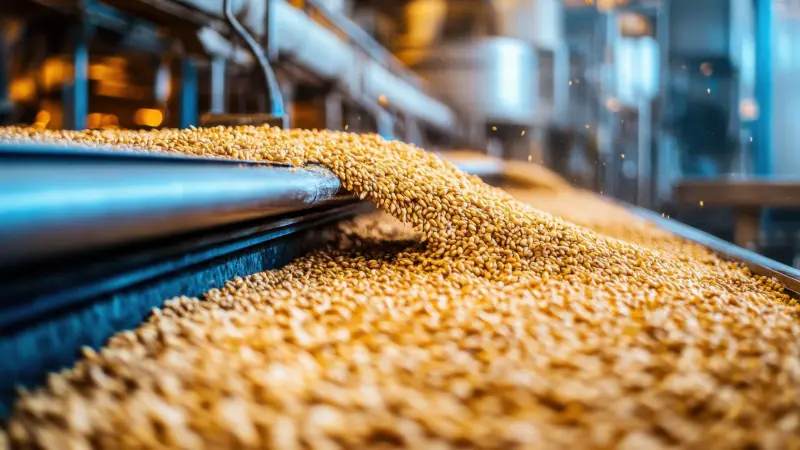 Food ProcessingSanitary fittings, valves and tubing
 Beverage LinesBottling, mixing and hygienic transfer
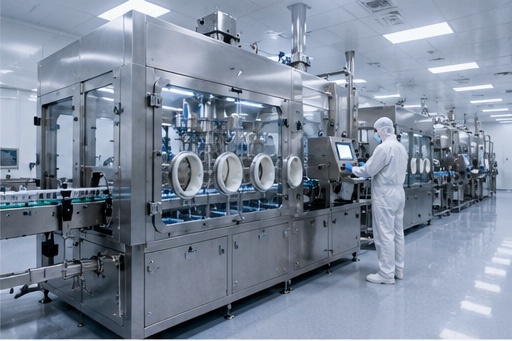 PharmaceuticalHigh-purity 316L and documentation
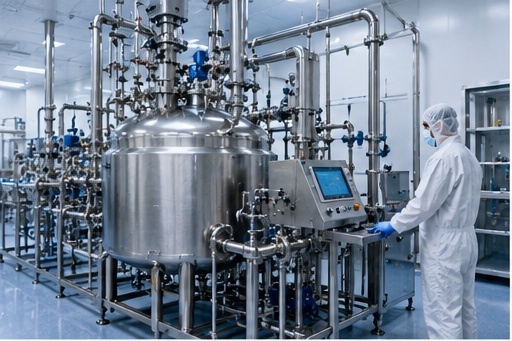 BiotechnologyBioreactors, skids and cell culture support
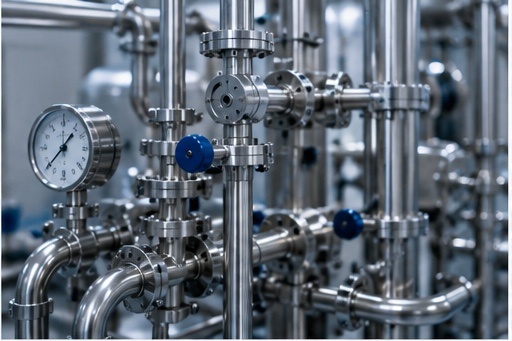 OEM / ContractorsProject RFQ support and secondary supply
Hygienic Components
Spray balls support internal cleaning coverage for tanks, vessels and process equipment in hygienic process environments.
Applications
Spray balls are specified by tank geometry, connection, cleaning method and coverage requirements.
Cleaning coverage for hygienic vessels and tanks.
Internal cleaning components for process tanks.
Cleaning support for product-contact equipment.
Sizes & Dimensions
Static spray balls provide complete coverage for tanks up to 50 m³. Rotating designs available for high-impact cleaning of larger vessels.
| Ball Ø | Coverage | Inlet | Flow (m³/h) | Tank Vol (m³) | Holes |
|---|---|---|---|---|---|
| 25 mm | 360° | ½" NPT | 3 – 5 | 0.5 – 1 | 30 |
| 36 mm | 360° | ¾" NPT | 5 – 10 | 1 – 3 | 60 |
| 50 mm | 360° | 1" NPT | 10 – 20 | 3 – 6 | 90 |
| 65 mm | 360° | 1½" NPT | 15 – 30 | 6 – 12 | 120 |
| 80 mm | 360° | 2" NPT | 25 – 50 | 12 – 25 | 150 |
| 100 mm | 360° | 2" Tri-Clamp | 40 – 80 | 25 – 50 | 180 |
| 125 mm | 360° | 2½" Tri-Clamp | 60 – 120 | 50 – 100 | 220 |
Operating Conditions
Spray balls require minimum pressure for proper coverage. Below 1 bar, spray distance drops significantly.
Actual ratings depend on size, material and operating conditions. Confirm via RFQ for project-specific requirements.
Standards & Compliance
Full documentation packages available including MTR, 3.1 certificates, surface roughness reports and pressure test records.
Sanitary spray cleaning devices standard.
European hygienic engineering and design certification.
Surface finish, materials and design for pharma/biotech.
Food contact materials compliance for seats and seals.
Dimensional standard for tri-clamp fittings.
EU regulation on food-contact materials.
Product Variants
Multiple variants available to match your application requirements. Browse related products for complete process line coverage.
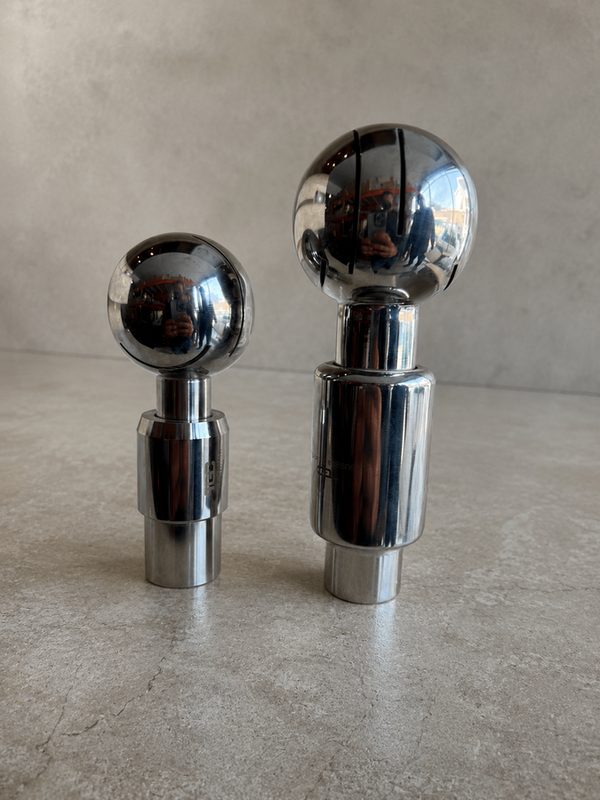
Standard 360° coverage spray ball for most tank cleaning applications.
Request quote →Partial coverage for tanks with internal obstructions or vertical surfaces.
Request quote →Higher-impact rotating heads for stubborn deposits or larger vessels.
Request quote →Technical Overview
Coverage requirements depend on tank geometry, flow, pressure and cleaning method.
| Requirement | Typical Information Needed |
|---|---|
| Product Type | Static or rotary spray ball by RFQ |
| Material Grade | 304 / 316L stainless steel |
| Connection | Threaded, weld or clamp connection by RFQ |
| Application | Tank size, cleaning method and coverage requirement |
| Documentation | Material certificates by RFQ |
Include tank/application, connection, spray ball style, material, quantity and cleaning requirements.
Material certificates, finish notes, inspection requirements, heat traceability and supplier documentation can be included in the quotation package.
Send tank details, connection, material, cleaning method and quantity.
Download the product datasheet for technical specifications, dimensional references, material data, applicable standards and RFQ guidance. Suitable for procurement, engineering review and project documentation.
Common Questions
Engineering and procurement questions we hear most often. For project-specific guidance, send your application details via RFQ.
Calculation: required flow = 3-5 m³/h per square meter of tank internal surface area. Tank surface area = π × D × H (cylindrical sides) + tops/bottoms.
For 10 m³ tank (typical 2m diameter × 3m height): surface ≈ 22 m², required flow ≈ 70-110 m³/h. May need multiple spray balls or rotating head.
Riboflavin coverage test: spray riboflavin solution onto tank surfaces, run CIP cycle with water, then UV inspect to verify all riboflavin removed.
Standard validation procedure for new installations. Document with photographs under UV light. Re-test after any tank modification.
Standard: 1.5–3 bar at the spray ball inlet. Below 1 bar, spray distance and coverage suffer. Above 5 bar may damage the ball.
CIP pump must deliver required flow at required pressure. Account for piping pressure drop in pump sizing. Provide tank dimensions for spray ball selection.
Static spray balls: most common, no moving parts, reliable for tanks up to 50 m³. Lower cost. Rotating heads: better for stubborn deposits, larger tanks, higher impact.
Static is sufficient for 90% of dairy and food applications. Rotating preferred for brewery and processes with stuck-on residues.
Use upstream strainer in CIP supply (40-mesh typical). Inspect spray ball holes monthly. Backflush periodically by reversing flow if possible.
For media prone to scale (hard water, high-mineral), include acid descaling in CIP recipe. Consider EP surface finish for slick interior.
Yes — threaded NPT/BSP or tri-clamp connections allow removal. Some designs are self-cleaning during normal CIP cycle.
For pharma/biotech with strict cleanability, specify removable/inspectable design. Mount via tri-clamp for tool-free disassembly.
Standard: 3.1 MTR, hole pattern drawing, flow/pressure curve, FDA compliance.
Optional: riboflavin coverage test certificate, EP surface finish report, full BPE package for pharmaceutical applications.