Heating/Cooling
Thermal process support for hygienic production.
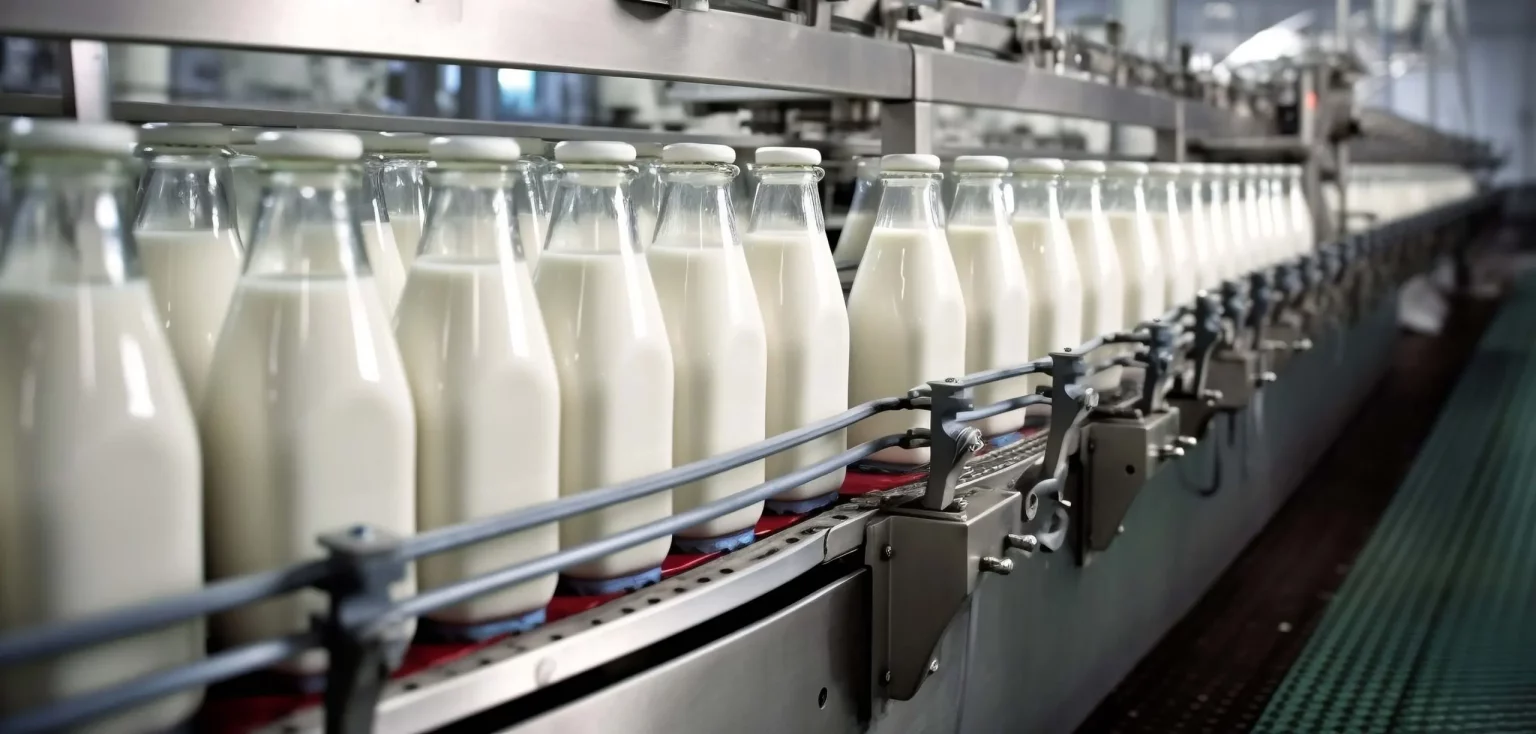 Dairy ProcessingPasteurizers, CIP systems, transfer lines
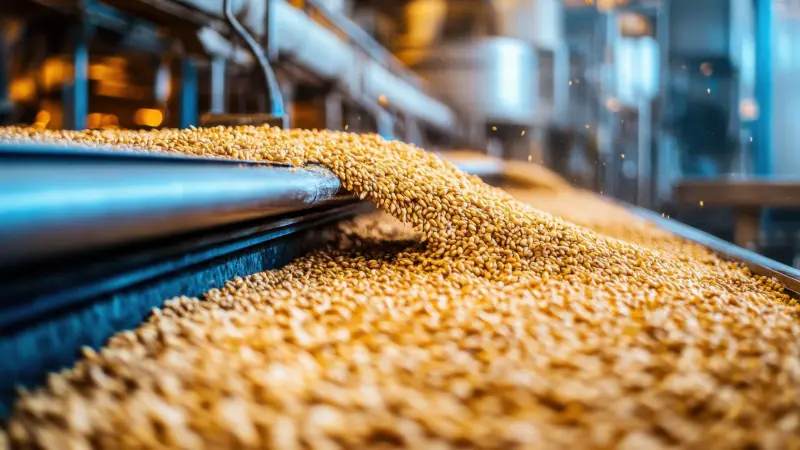 Food ProcessingSanitary fittings, valves and tubing
 Beverage LinesBottling, mixing and hygienic transfer
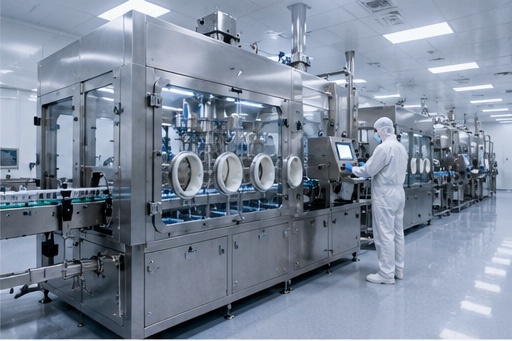 PharmaceuticalHigh-purity 316L and documentation
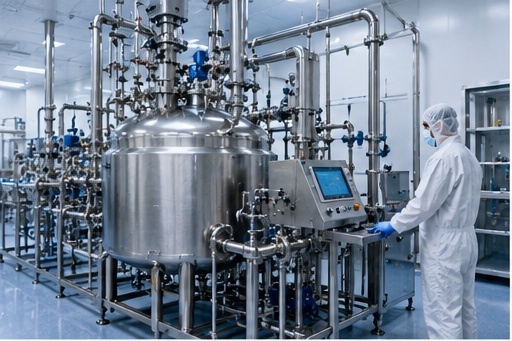 BiotechnologyBioreactors, skids and cell culture support
 OEM / ContractorsProject RFQ support and secondary supply
Process Equipment
Heat transfer equipment requirements are specified by duty, process temperature, pressure, utility, material and integration details.
Applications
Heat transfer inquiries need duty, temperature, pressure, media and integration information.
Thermal process support for hygienic production.
Heat transfer support for beverage process systems.
Thermal support for industrial process lines.
Sizes & Dimensions
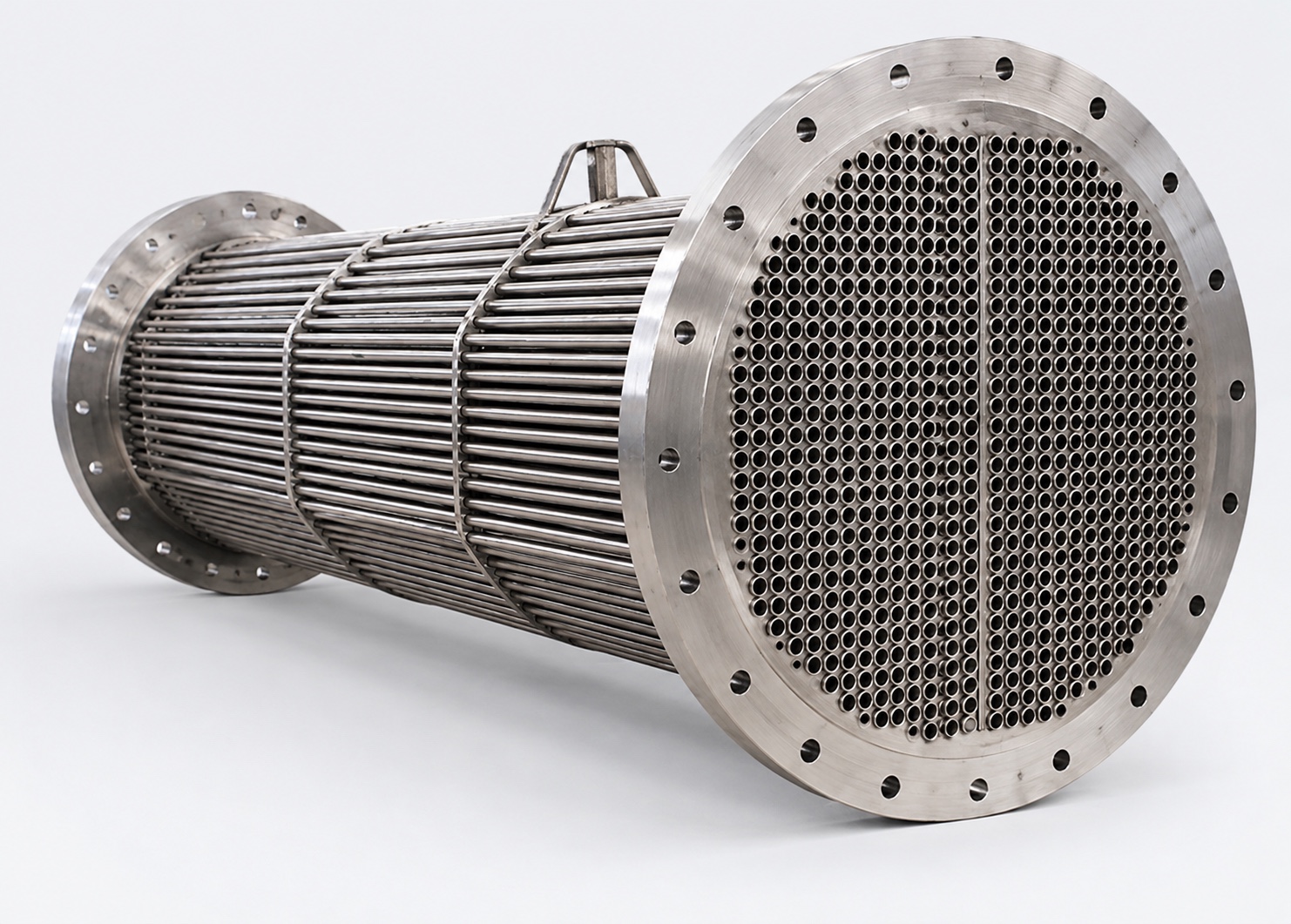
Plate (GPHE) for moderate temperatures and easy maintenance. Tubular for higher pressures. Shell-and-tube for highest pressures and viscous fluids.
| Model | Heat Duty | Plate Area | Plates | Connection | Flow Rate |
|---|---|---|---|---|---|
| M3 | 10 – 50 kW | 0.3 m² | 5-20 | DN25 | 5 m³/h |
| M6 | 50 – 200 kW | 0.7 m² | 10-60 | DN50 | 15 m³/h |
| M10 | 200 – 500 kW | 1.8 m² | 20-100 | DN80 | 40 m³/h |
| M15 | 500 – 1000 kW | 3.5 m² | 50-200 | DN100 | 80 m³/h |
| M20 | 1000 – 2000 kW | 6.5 m² | 100-300 | DN150 | 150 m³/h |
| Custom | By RFQ | By RFQ | By RFQ | By RFQ | By RFQ |
Operating Conditions
Plate heat exchangers limited by gasket material. Tubular and shell-and-tube can handle higher pressures and temperatures.
Actual ratings depend on size, material and operating conditions. Confirm via RFQ for project-specific requirements.
Standards & Compliance
Full documentation packages available including MTR, 3.1 certificates, surface roughness reports and pressure test records.
Sanitary heat exchanger construction standard.
Surface finish, materials and design for pharma/biotech.
European hygienic engineering and design certification.
Construction code for pressure vessels.
Tubular exchanger manufacturers association standard.
European unfired pressure vessel.
European Pressure Equipment Directive compliance.
API standard for shell-and-tube heat exchangers.
Product Variants
Multiple variants available to match your application requirements. Browse related products for complete process line coverage.
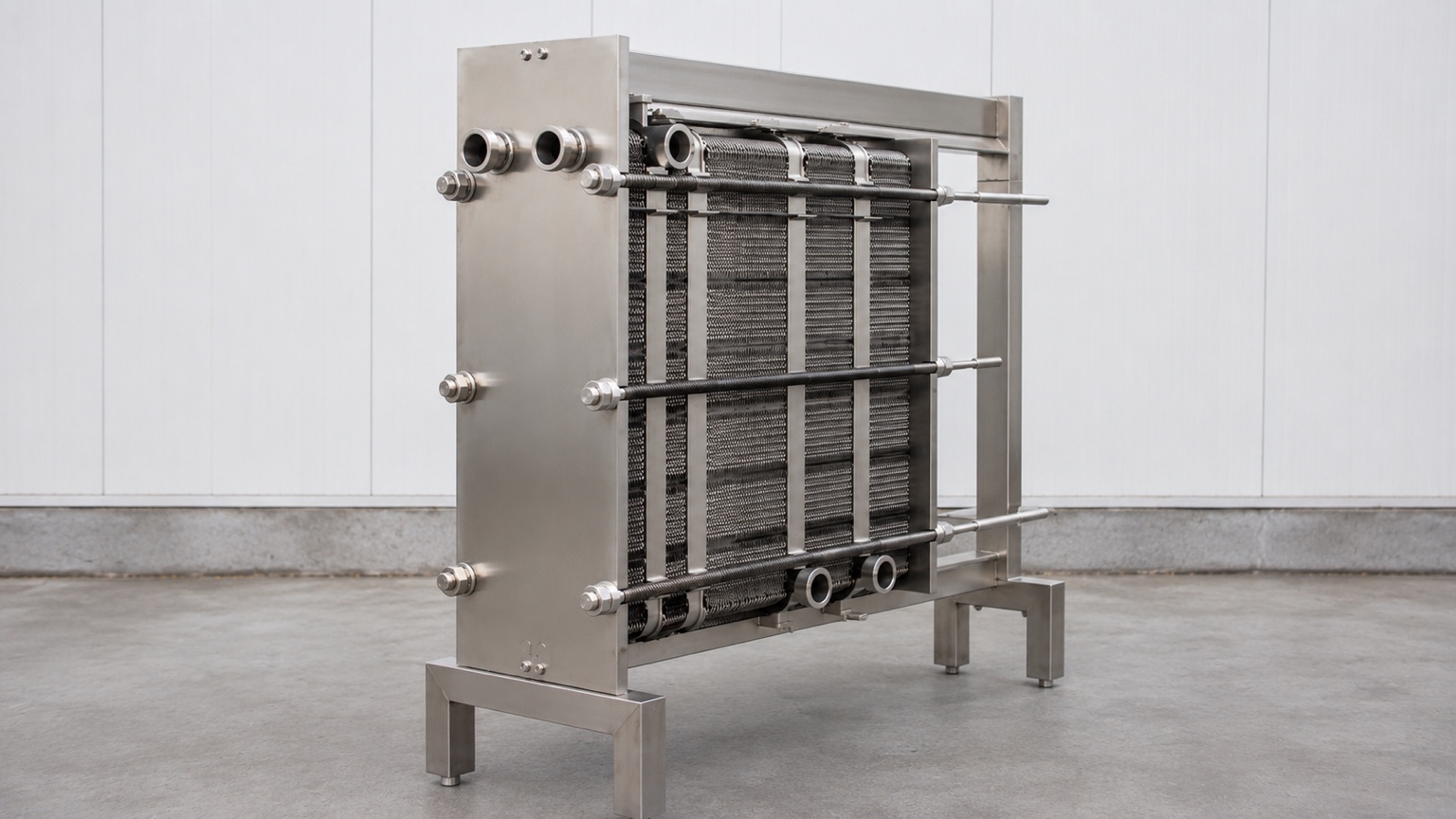
Most common type. Easy maintenance, gasket-sealed plate stack.
Request quote →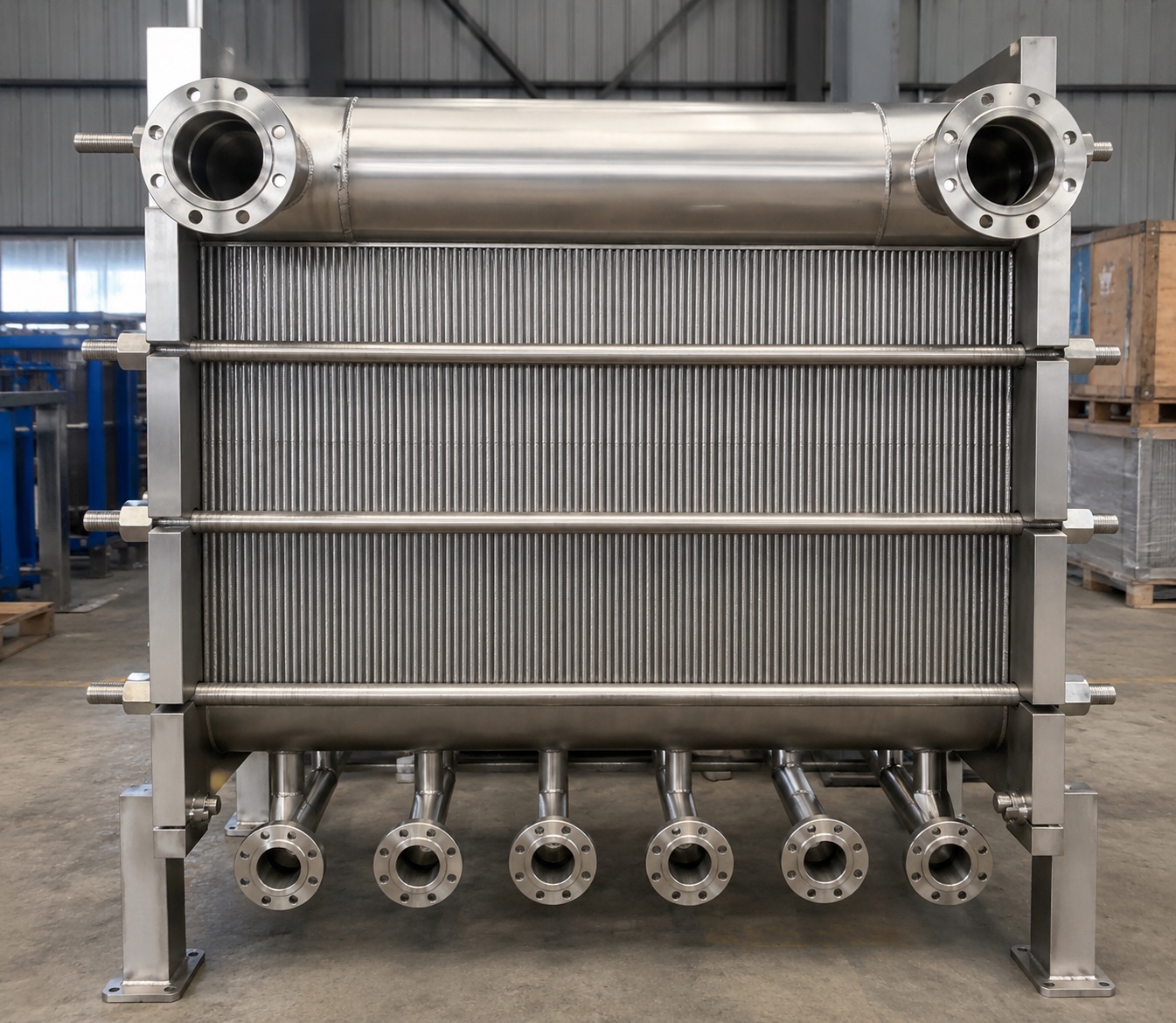
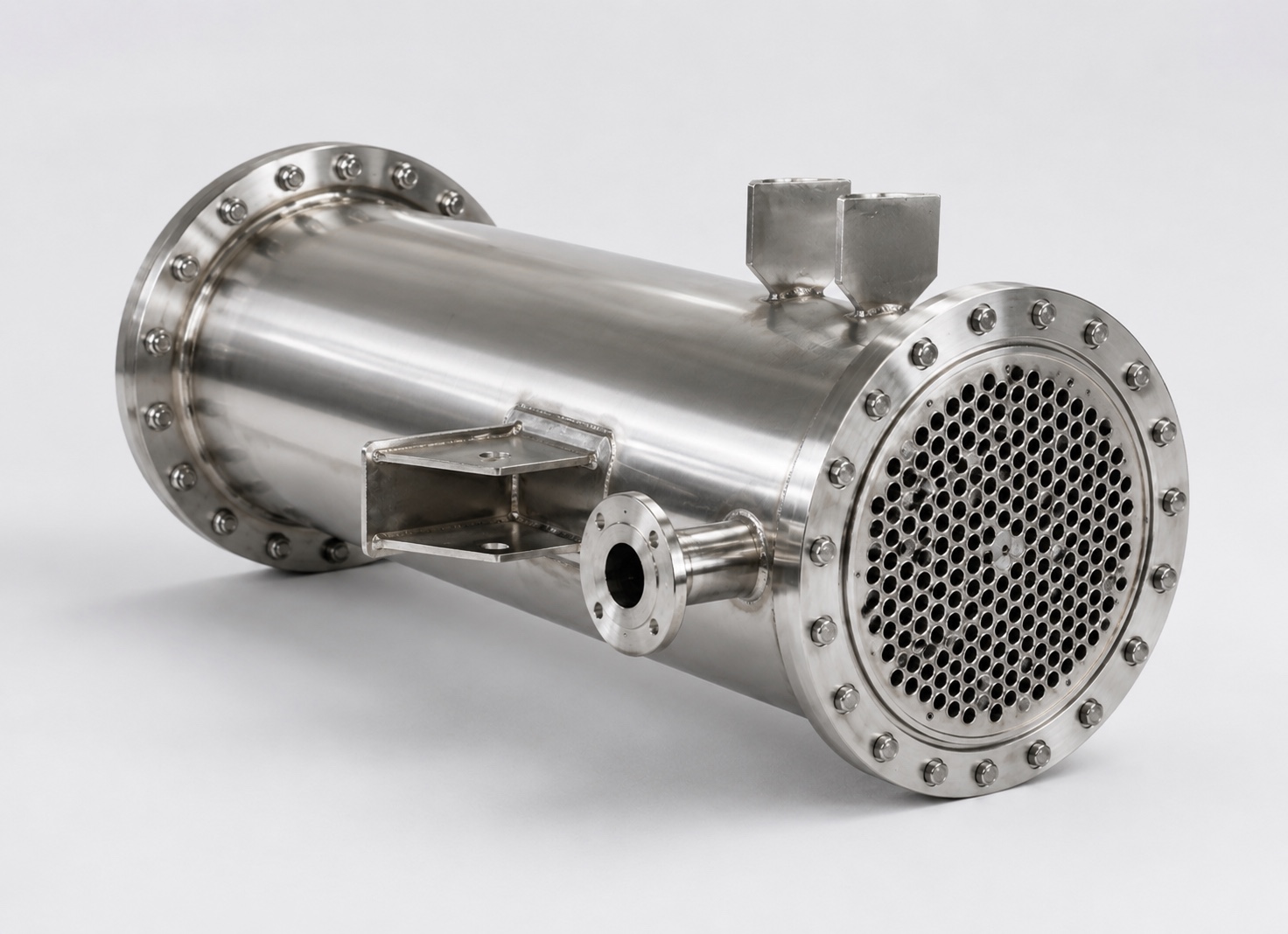
Technical Overview
Selection depends on thermal duty, flow, media and material requirements.
| Requirement | Typical Information Needed |
|---|---|
| Product Type | Heat exchanger or thermal process equipment |
| Material Grade | 304 / 316L stainless steel by RFQ |
| Duty | Heating/cooling duty, flow, temperature and pressure |
| Connection | Process and utility connection requirements |
| Documentation | Drawings, certificates and inspection by RFQ |
Include duty, media, flow, temperature, pressure, material, connection and documentation expectations.
Material certificates, finish notes, inspection requirements, heat traceability and supplier documentation can be included in the quotation package.
Send duty, flow, media, temperature, pressure and documentation needs.
Common Questions
Engineering and procurement questions we hear most often. For project-specific guidance, send your application details via RFQ.
GPHE: most common for sanitary, easy to clean/inspect, moderate pressure. Tubular: higher pressure, viscous fluids. Shell-and-tube: highest pressure/temp, industrial.
For dairy pasteurization: GPHE standard. For UHT processing: tubular. For utility heating (steam to water): shell-and-tube acceptable.
HTST: 72°C for 15 seconds (milk). UHT: 135-150°C for 2-5 seconds (UHT milk). Each requires properly sized heat exchanger with holding tube.
HTST: GPHE typically. UHT: tubular or direct steam injection. Provide product specification and target throughput.
In pasteurization, the regeneration section uses the hot product (after pasteurization) to preheat the incoming cold product. Reduces energy consumption 60-90%.
Standard feature of dairy pasteurizers. Heat recovery efficiency 85-95% typical. Critical for energy economics.
GPHE gaskets: 2-3 years in dairy CIP service. Faster wear with high temperature or aggressive CIP chemicals.
Replace as preventive maintenance. Track replacement in CMMS. Keep spare gasket sets for critical exchangers.
A-measure (compression dimension) is the distance between frame plates after tie-rod tightening. Critical for proper gasket compression.
Specified on nameplate. Re-torque tie rods periodically to maintain A-measure. Over-compression damages gaskets; under-compression causes leaks.
GPHE: yes, plates can be disassembled and inspected. Welded plate: less inspectable. Tubular: cleaning depends on tube ID.
For pharmaceutical: specify GPHE with BPE-compliant plate finish (EP), all wetted gaskets USP Class VI silicone or PTFE.
Standard: P&ID, plate count and arrangement, gasket arrangement, performance curve, 3.1 MTR for wetted parts, hydrotest certificate.
For ASME VIII / PED: code stamp certificate, full design calculations, NDE reports. For pharma: BPE package, surface finish report.